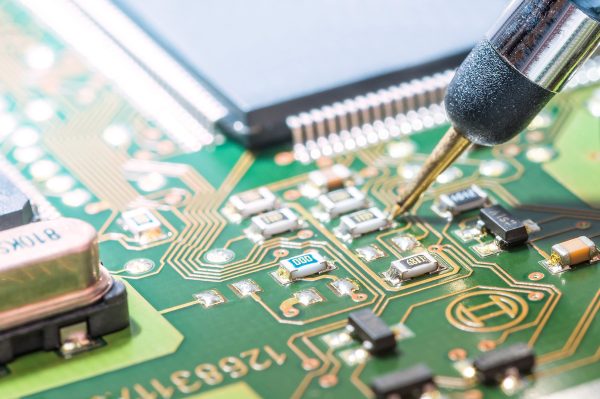

Modern vehicles rely on sophisticated computer systems — the PCM (Powertrain Control Module), ECU (Engine Control Unit), and ECM (Engine Control Module) — to control everything from fuel delivery and ignition timing to emissions and transmission behavior. These modules are effectively the “brain” of your car.
But how often are these critical components replaced? And what do the numbers look like across the automotive industry?
The short answer: hundreds of thousands of engine computers are replaced each year in the United States alone, with global figures reaching well into the millions. While precise industry-wide statistics are difficult to isolate, trends consistently show that PCM/ECU/ECM replacement is a common and growing repair category in automotive service.
Here’s why those replacements are happening — and what the numbers tell us.
Why Replacements Happen So Often
Engine computers may fail for several reasons:
-
Heat and vibration: Constant thermal cycling under the hood weakens internal circuitry over time
-
Voltage spikes: Jump-start errors and electrical surges damage internal driver circuits
-
Moisture intrusion: Water leaks or condensation inside PCM housings lead to corrosion
-
Aging components: Capacitors and solder joints degrade after many years of use
-
Shorted coils or injectors: Faulty ignition components can overload the PCM
-
Aftermarket electronic modifications: Poor tuning or wiring can corrupt software
Because these modules are exposed to harsh operating environments, replacements are not uncommon — especially on vehicles older than 10 years.
Annual Replacement Estimates in the U.S.
While the National Automotive Service Task Force (NASTF) and industry groups do not publish exact PCM/ECU repair numbers, auto repair shops and parts suppliers provide strong clues:
-
Independent repair shops estimate that over 200,000 engine computers are replaced each year in the U.S.
-
OEM dealerships report PCM/ECU replacement as a top-10 drivability repair on vehicles over 8 years old
-
Salvage yards and used module sellers cycle tens of thousands of used ECMs annually
According to aftermarket parts distributors:
-
Roughly 15–20% of electrical drivability complaints trace back to engine computer failure
-
In vehicles older than 10 years, PCM/ECU diagnosis and replacement increase sharply
Even domestic manufacturers like Ford, GM, and Stellantis face PCM replacement regularly — as do foreign brands such as Toyota, Honda, BMW, and Mercedes-Benz.
Global Perspective: Millions Worldwide
Cars are on the road longer than ever. The average age of vehicles in the United States recently topped 12 years, and similar trends are seen in Europe and Asia.
That means:
-
More vehicles are reaching the age when electronic fatigue becomes likely
-
PCM/ECU replacement becomes a normal part of vehicle maintenance
-
The global annual replacement count easily exceeds 1 million units per year
Large markets such as the EU, U.K., Japan, and China also report high demand for engine computer repair, reprogramming, and replacement.
OEM vs Rebuilt vs Used Modules: What Gets Replaced Most Often
When an engine computer fails, it typically enters one of three replacement channels:
1. New OEM Module
-
Direct from manufacturer
-
Highest cost
-
Dealer programming required
2. Rebuilt or Remanufactured Module
-
Printed circuitry and drivers restored
-
Thorough testing
-
Often includes a warranty
-
Growing in popularity due to cost and reliability
3. Used Pull-Out Module
-
Salvage ECMs from totaled vehicles
-
Lower cost
-
Still requires proper VIN programming
Many repair facilities track thousands of module replacements per year, and rebuilt module suppliers ship tens of thousands of units annually to meet demand.
Annual Trends — What’s Changing?
1. Vehicles are Getting Smarter
With advanced driver assistance systems (ADAS), hybrid modules, and integrated powertrain networks, engine computers are more complex than ever — but also more sensitive.
2. Average Vehicle Lifespan is Increasing
This means more PCMs/ECUs are reaching end-of-life while vehicles are still in service.
3. Aftermarket Diagnosticians Are More Common
Independent shops can now diagnose and program engine computers previously reserved for dealer tools, increasing replacements.
4. Emissions Scrutiny Is Higher
Failing readiness monitors due to PCM issues often results in failed inspections, prompting replacement.
Top Vehicle Categories With Highest Annual Replacements
While replacements occur across all vehicle types, certain categories generate more PCM/ECU failures each year:
-
Domestic full-size trucks (F-Series, Silverado, Ram)
-
SUVs with complex electronics
-
Foreign performance and luxury vehicles
-
Cars older than 10 years
-
High-mileage daily commuters
These categories consistently top the list in annual repair data from diagnostic tool manufacturers and auto parts suppliers.
How PCM/ECU Replacement Affects Vehicle Value
When an engine computer is replaced:
-
Driveability is typically restored
-
Codes no longer mislead technicians
-
Fuel economy often improves
-
Transmission behavior returns to normal
Vehicles with a professionally programmed and installed module can retain value — especially if documentation shows proper diagnosis and repair.
Tips to Reduce Your Chances of PCM Failure
While some failures are unavoidable with age, you can minimize risk through:
-
Maintaining a healthy electrical system
-
Using correct jump-start procedures
-
Addressing coil or injector malfunctions early
-
Protecting modules from moisture
-
Using quality rebuilt units when replacing
Proactive maintenance often saves thousands in misdiagnosed repairs.
Final Thoughts
Engine computer replacement is not rare — it’s a normal part of modern vehicle maintenance. While exact industry-wide annual numbers aren’t published in a single database, repair trends unmistakably show hundreds of thousands of PCM/ECU replacements each year in the U.S. alone, with global replacements well into the millions.
As vehicles get older and smarter, PCM/ECU maintenance will continue to be a top-tier electrical repair category. Understanding the numbers helps drivers, buyers, and technicians make informed decisions — and keeps your vehicle running like it was designed to.